Nobody budgets for a no-heat call in January or a no-cool call in the middle of a heat wave, which is when most Burlington households finally think about maintenance. Start from the money instead. Here is what twice-yearly service costs, what skipping it quietly costs, and why the cheapest appointment is always the one you actually keep.
Maintenance You Can Do Without a Technician
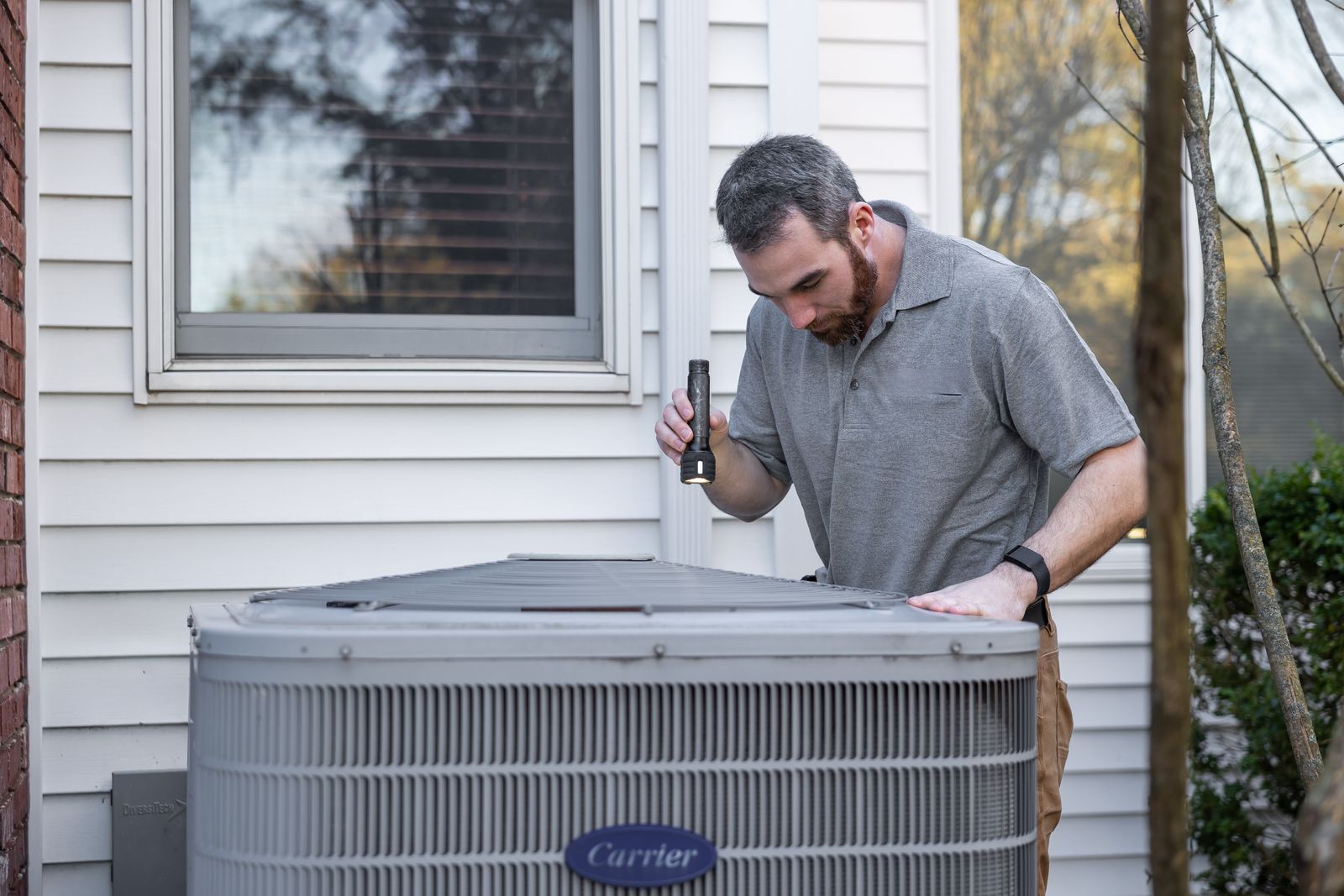
Some of the highest-value maintenance needs no licence. Check the filter every month and replace it every one to three months, since a plugged filter chokes airflow and drives up run times. Keep the outdoor unit clear: sweep away leaves, keep grass trimmed back, and leave about two feet of space around the cabinet so the fan can pull air. Set the thermostat on a consistent schedule instead of large manual swings, change its batteries once a year, and keep the furnace room free of stored clutter.
Inside a Spring Tune-Up and a Fall Inspection
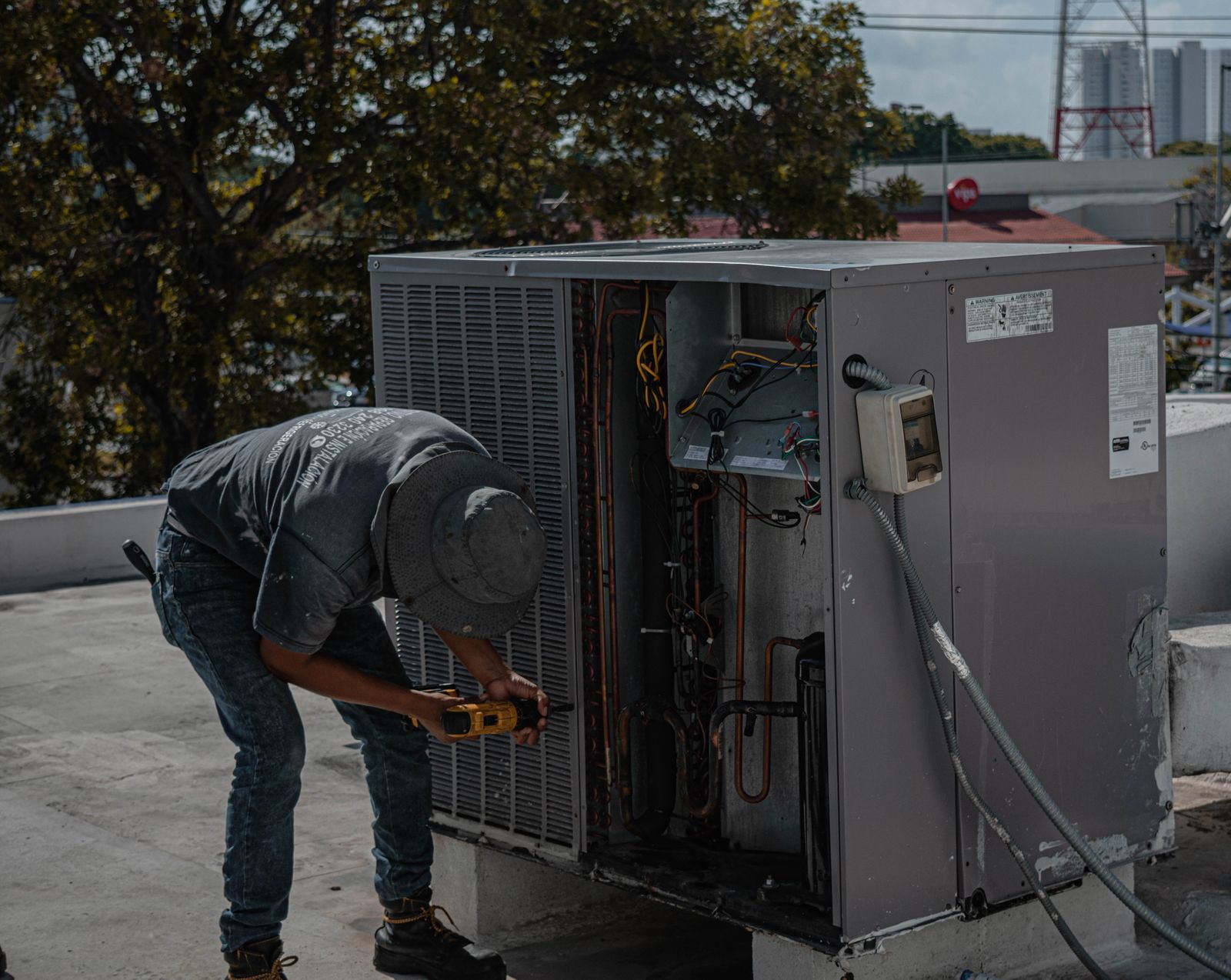
The spring appointment prepares the air conditioner. Expect the condenser coil cleaned, the refrigerant charge verified, wiring and capacitors inspected, thermostat accuracy confirmed, and airflow measured so the system cools without long, wasteful cycles.
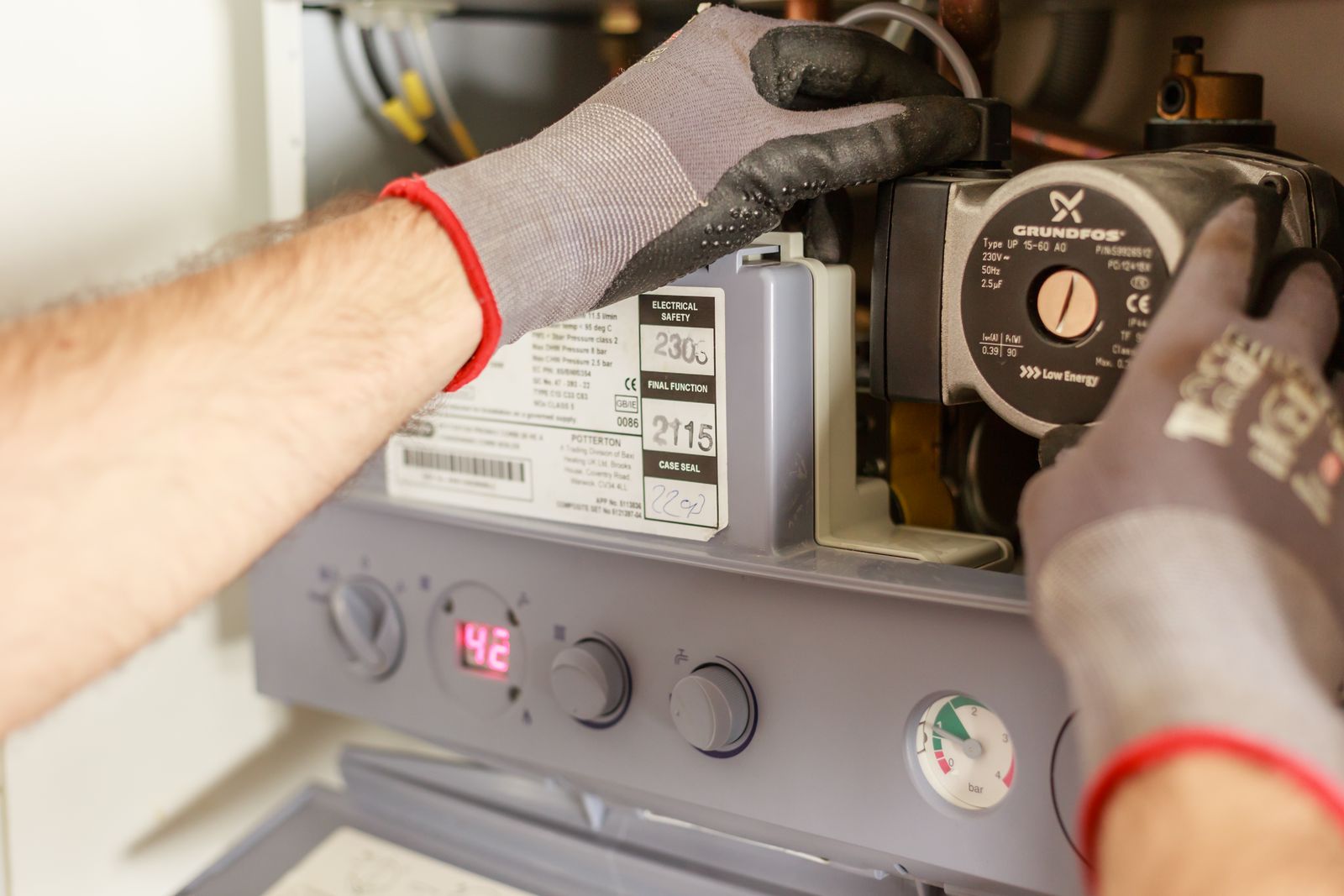
The fall appointment prepares the furnace. The heat exchanger gets examined for cracks, burners get cleaned, gas connections and the ignition sequence get tested, and venting gets confirmed clear. The filter is replaced at both visits, and the heating check is also the yearly carbon monoxide safety review for any gas appliance in the house.
Wear Happens Quietly, Until It Does Not
Heating and cooling equipment almost never fails without warning. It whispers first. A filter that clogs, a coil that fouls, a blower that labours a little harder each month, and a thermostat that drifts a degree off calibration are all early chapters of the same story.
Regular service reads those chapters as they are written. Twice a year, a qualified technician cleans what has gotten dirty, tests what matters, and corrects what is drifting. The visit takes about an hour, and it is the difference between a system that ages gracefully and one that ambushes you in Burlington weather.
A Calendar Built Around Two Busy Seasons
Ontario gives heating and cooling equipment two hard stretches a year, and the service schedule should mirror them. Spring belongs to the air conditioner: it has collected dust and debris since September, and a tune-up in April or May means it meets its first hot week ready. Fall belongs to the furnace: an inspection in September or October finds combustion and safety issues while they are still quiet.
Space the visits roughly six months apart. That interval is short enough that nothing drifts far, and long enough that each visit has real work to do.
Air conditioner warranties often run a decade on major components, and compressor replacements are among the costliest repairs in the trade. That coverage usually assumes the equipment has been professionally maintained, with clean coils and a correct refrigerant charge. Spring service protects more than efficiency; it protects the claim you might need years from now.
The Math on Prevention
A maintenance visit costs a modest, predictable amount. An emergency repair in January or during a heat wave routinely runs several times more, with urgency pricing and a waiting list attached. That ratio holds every single year, which is why prevention wins the math.
It wins quietly as well. Systems that receive regular service use less energy, break down less often, and last longer than identical equipment that is ignored, and the difference compounds over a decade of ownership. Budgeting two visits a year is the cheapest way to own HVAC equipment in Burlington, full stop.